Mercedes Water Pump Failure
You’re sat in traffic on the way home when the temperature gauge starts creeping upward. A coolant warning lights up the dashboard. Before you’ve had time to react, steam is curling from beneath the bonnet and you’re pulling over, trying to work out what just went wrong.
That’s the problem with Mercedes water pump failure. It gives very little warning. One moment everything seems fine; the next, your engine is overheating and you’re stranded, searching for answers.
If your Mercedes diesel engine has started running hot, or you’ve been told the water pump needs attention, this guide covers the fault, explains why it develops, and sets out what needs to happen next. It focuses on Mercedes diesel engines fitted with the OM654 2.0-litre diesel engine from 2016 onwards, where this fault is most commonly reported.
What happens when a Mercedes water pump fails? The water pump keeps coolant circulating through your engine continuously while it runs. When the pump fails, that flow stops. Engine temperature climbs, a coolant warning appears on the dashboard, and internal components start to overheat. Without prompt attention, this can cause serious engine damage, making it a fault that demands urgent action.
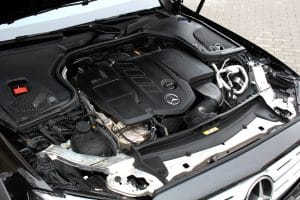
How the Water Pump Keeps Your Mercedes Diesel Engine Cool
The cooling system circulates coolant through the engine block and cylinder head, where it absorbs combustion heat before returning to the radiator to release it. This cycle repeats continuously while the engine runs. Mercedes diesel models from 2016 onwards feature a belt-driven mechanical water pump powered by the auxiliary belt, with electronic thermostat control managing flow to match driving demands.
As the pump’s internal components deteriorate, coolant circulation becomes less effective. Heat starts building up within the engine with nowhere to escape.
What Causes a Mercedes Water Pump to Fail?
Several factors typically contribute to pump failure on these engines:
- Bearing and seal deterioration: Constant rotation under mechanical stress causes both to wear. A compromised seal creates a leak, while worn bearings reduce the pump’s flow capacity.
- Impeller damage: The rotating blade inside the pump degrades from corrosion, reducing coolant volume pushed through the system.
- Coolant contamination: Aged or contaminated coolant loses its protective properties, causing seals to crack and internal surfaces to corrode.
These issues compound: poor coolant accelerates bearing wear, a failing seal reduces system pressure, and each problem accelerates the next.
That’s why an experienced Mercedes specialist investigates what triggered the failure rather than fitting a new pump and moving on. A thorough technical evaluation identifies the root cause and checks whether anything else has been affected.
Signs That Your Mercedes Water Pump May Be Failing
Recognizing the warning signs is critical, though some develop gradually while others appear suddenly:
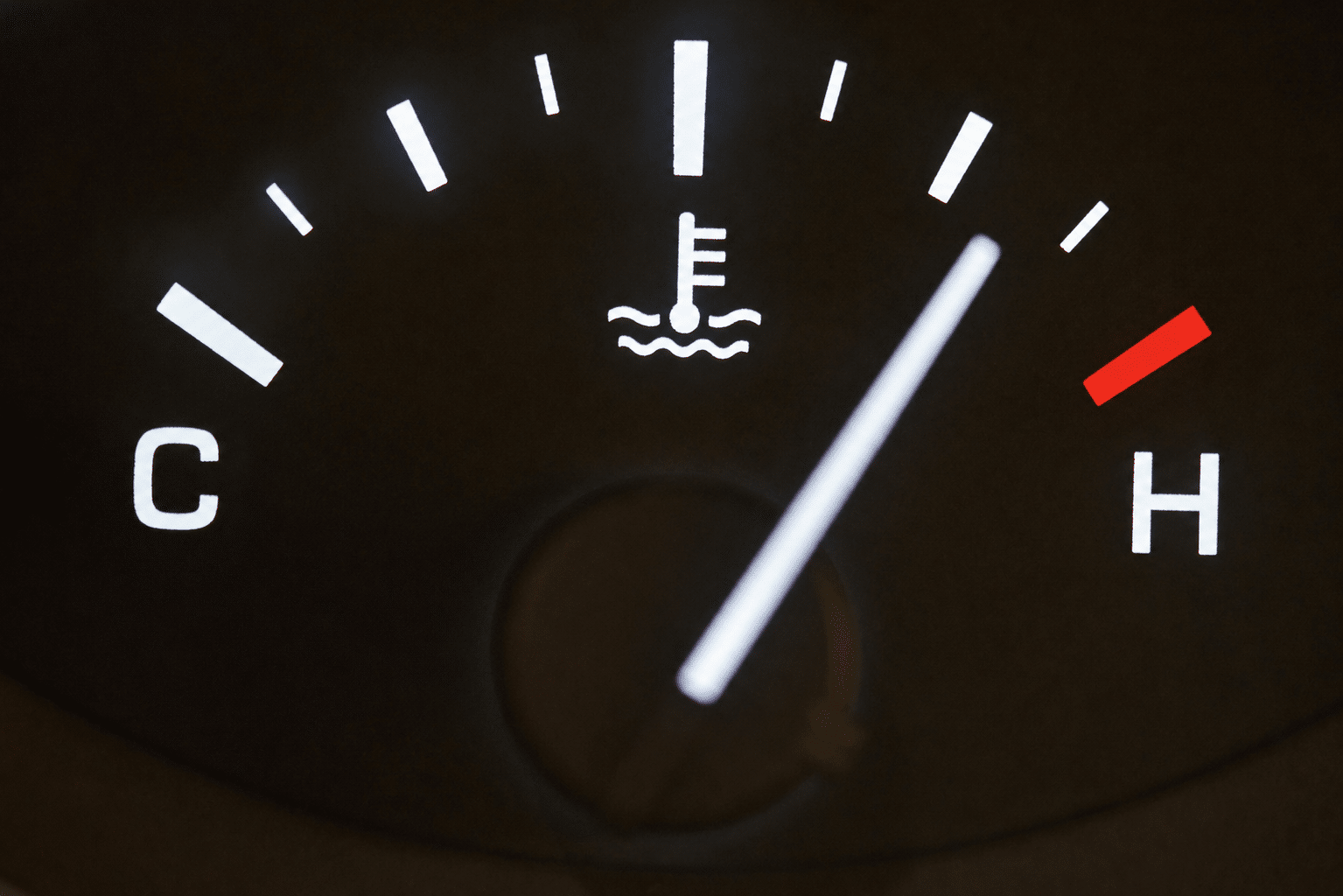
- Temperature gauge rising: The needle sits higher than usual, either climbing steadily or spiking sharply. Pull over if you see this while driving.
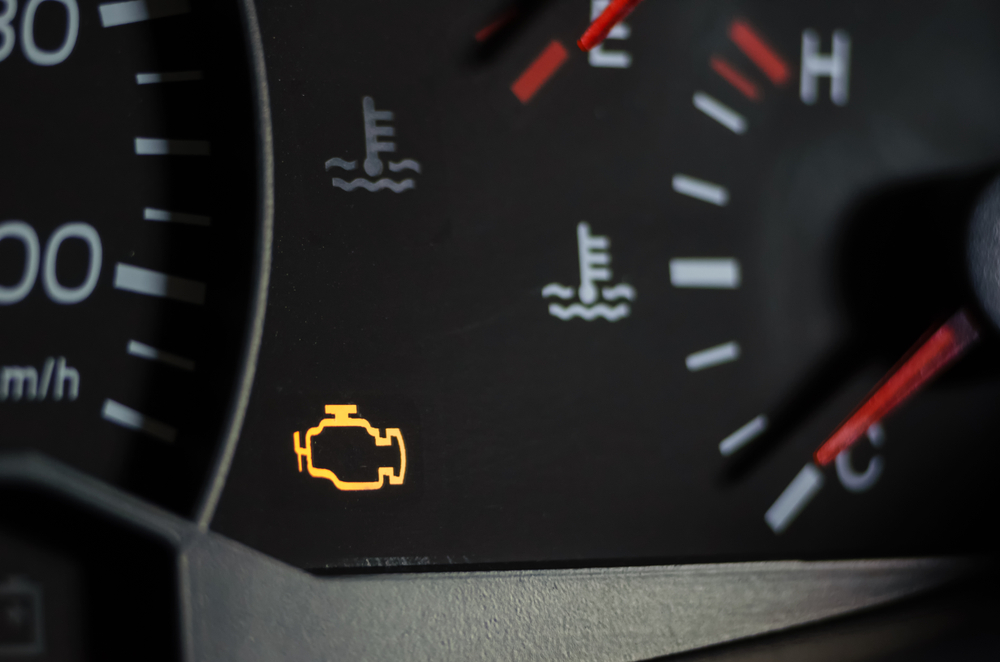
- Coolant warning on the dashboard: A temperature or level alert, sometimes with an audible warning.
- Coolant leak beneath the car: A damp patch indicates failing seals; even small leaks reduce system pressure.
- Steam from beneath the bonnet: Visible vapour means the engine has exceeded safe operating temperature.
- Power loss or limp mode: The engine management system may reduce power to protect internal components from overheating damage.
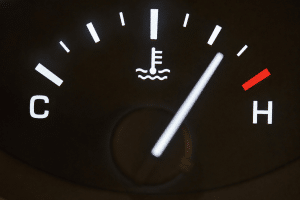
These symptoms can point to other cooling system faults. But if you’ve been wondering ‘why is my Mercedes overheating’, the water pump should be investigated first. Contact Quality Car Service, Milton Keynes on 01908 376555 for guidance.
Why Driving with a Failed Water Pump Puts Your Engine at Risk
This is the part nobody wants to hear. But it matters.
Once the pump can no longer circulate coolant, heat builds inside the cylinder head and engine block with nowhere to escape. Every moment the engine runs in this state, damage accumulates.
Excessive heat can cause the head gasket to fail, allowing coolant and combustion gases to mix. Once that barrier is breached, the repair becomes significantly more involved and more expensive than a Mercedes water pump replacement alone. In severe cases, sustained overheating warps or cracks the cylinder head, one of the costliest engine repairs on any vehicle.
The good news?
Replacing the water pump before secondary damage occurs is a repair that an experienced specialist handles with confidence. Catching it early costs a fraction of what you’d face if the engine overheats to the point of internal failure.
Which Mercedes Diesel Models Are Most at Risk?
Mercedes water pump failure follows the engine family, not the model. The fault is tied to a specific engine fitted across a wide range of vehicles.
The OM654 2.0-litre diesel engine used in Mercedes models from 2016 onwards features a belt-driven water pump. This engine and pump combination is where the fault appears most frequently.
Models where this fault is most commonly seen include:
- Mercedes C-Class diesel (C200d, C220d, C300d) from 2016 onwards, where Mercedes C-Class water pump problems are well documented
- Mercedes E-Class diesel (E200d, E220d, E300d) from 2016 onwards
If your model isn’t listed above, that doesn’t rule it out. The same 2.0-litre diesel engine powers the GLC, A-Class, GLA, GLB, and more, each of which can develop the same fault.
If you’ve been asking yourself “why is my Mercedes overheating?” and drive any of the models listed above, Quality Car Service, Milton Keynes can check for you as part of a technical evaluation. A Mercedes C-Class water pump fault may get the most attention, but every model sharing this engine is equally at risk.
How Quality Car Service Investigates and Repairs Water Pump Faults
Several cooling system problems can produce identical overheating symptoms. Fitting the wrong part wastes time and money. That’s why a structured technical evaluation always comes before any replacement work.
When you bring your Mercedes to Quality Car Service, Milton Keynes, we start with a conversation:
- When did the overheating first occur?
- Has it been a one-off or a recurring pattern?
- Did you notice a warning light, a physical symptom like steam or a leak, or both?
This gives our experienced technicians context before any hands-on investigation begins.
Our technicians then carry out a detailed technical evaluation using their expertise and manufacturer software. They read fault codes, pressure test for leaks, and check pump flow. Related components like the thermostat, hoses, and radiator are also inspected, as pump failure can sometimes be triggered by or contribute to faults elsewhere.
Once identified, we contact you with findings and recommendations. No work begins without your approval.
The repair involves removing the failed pump, fitting a high-quality replacement, and attending to any associated components. The cooling system is drained, refilled, bled, and pressure tested. The engine is then run and monitored to confirm temperatures remain stable under load.
Whatever Mercedes diesel engine you drive, catching a water pump fault early protects your engine from far more serious damage down the line.
Why Choose Quality Car Service for Your Mercedes Water Pump Replacement?
A failed water pump is a serious problem, and the sooner it’s addressed, the better the outcome. With an experienced specialist handling Mercedes overheating concerns, the first step is always confirming the root cause.
At Quality Car Service, Milton Keynes, our experienced technicians have the knowledge and dealer-level software to trace the source of overheating accurately. We carry out a thorough technical evaluation, explain our findings clearly, and only begin work once you’ve given the go-ahead.
Here’s why Milton Keynes drivers choose Quality Car Service for Mercedes water pump repairs:
- Experienced Mercedes technicians with dealer-level software and the correct tooling for precise fault identification.
- 12 months parts and labour guarantee on all work carried out.
- Courtesy car available while your Mercedes is with us, so your routine isn’t disrupted.
- Clear, upfront pricing with no hidden costs or unexpected additions.
Join the {{review-count}} customers who’ve rated us {{average-rating}} stars on Google for expert repairs and great value.
If you’ve noticed your Mercedes running hotter than normal, or anything that doesn’t seem right with the cooling system, call Quality Car Service on 01908 376555 today. The sooner it’s assessed, the less chance there is of further damage.
Frequently Asked Questions About Mercedes Water Pump Failure
What are the symptoms of a failing Mercedes water pump?
You might notice a rising temperature gauge, coolant warning, coolant leaking beneath the car, steam from the bonnet, or reduced power mode. These symptoms can also be caused by other faults, so it’s always worth having an experienced specialist check over your vehicle to identify exactly what’s going on.
Is it safe to keep driving if my Mercedes is overheating?
You should stop driving as soon as it’s safe to do so. Continuing to drive with an overheating engine risks more damage and higher repair bills, including head gasket failure and cylinder head warping. Contact Quality Car Service on 01908 376555 to arrange a technical evaluation as soon as possible.
How long does a Mercedes water pump replacement take?
The timeframe depends on your model and whether related components need attention. We’ll provide a clear timeframe before work begins.
How much does it cost to replace a Mercedes water pump?
Costs vary by model and extent of work required. We provide a full breakdown before starting. What’s certain: replacing the pump before secondary damage occurs costs far less than dealing with prolonged overheating consequences.