Diesel Particulate Filter Explained
DPF… Three letters that crop up sooner or later for every diesel owner, whether on a warning light you weren’t expecting, a note in a service report, or part of a conversation about upcoming work.
If you own a modern diesel-engined car, you probably know it has a diesel particulate filter (DPF) fitted as standard. What most owners want to understand is: What does it do? How does it stay clean? And what should you watch out for if something goes wrong?
Fitted to your exhaust, a diesel particulate filter (DPF) helps trap particulate matter (soot) before it leaves your car. It cleans itself through regeneration, burning away soot at high temperature when conditions allow. Short journeys are the most common reason the process fails to complete, though faults can also prevent it. Without this regular cleaning, the filter becomes restricted.
Your vehicle’s DPF does not work in isolation. Faults or wear in other parts of the diesel emissions system can influence the amount of soot reaching the component or trigger warnings that look like DPF issues.
Throughout this guide, you’ll uncover how your diesel particulate filter works, what other systems can affect it, and the signs that suggest it may need attention.
Why does your car have a DPF?
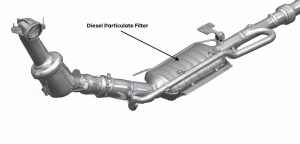
The DPF sits within the exhaust system, where it captures soot before it leaves the vehicle
Euro 5 emissions rules, introduced around 2009, required manufacturers to cap particulate output from diesel engines. The DPF was the answer: a component fitted to the exhaust as standard on most diesel cars in the UK. It’s designed to intercept particulate matter before it reaches the atmosphere.
Trapped soot collects inside the filter as you drive. To prevent this build-up from restricting flow, the DPF burns it away at high temperature when driving conditions allow. That process is called regeneration, and it underpins everything else in this guide.
Euro 6 standards arrived in September 2016, placing tighter caps on nitrogen oxide (NOx) and particulate matter. Modern diesel vehicles rely on several emissions-control systems operating together, with the DPF at the centre. Since 2014, evidence of DPF removal or tampering can result in an MOT failure.
That’s the diesel particulate filter explained in terms of what it is and why your car has one. Now, let’s look at how the cleaning cycle keeps it functioning.
How Does a DPF Work? Understanding the Self-Cleaning Cycle
So, how does a DPF work to keep itself from becoming blocked?
The component contains a honeycomb-like structure, in most cases made from ceramic, designed to capture particulate matter as combustion gases flow through it. This design is effective at trapping material, but it also means the system fills up over time.
To manage this, your car cleans the DPF on its own when the right conditions are present, through a self-clearing cycle known as regeneration.
There are usually two main forms:
- Passive regeneration: This occurs naturally when exhaust temperatures stay elevated for long enough, burning away accumulated soot. In practice, this happens during sustained driving, and most drivers won’t detect it.
- Active regeneration: The engine management system triggers it when the soot level in the DPF reaches a set threshold. The system raises exhaust temperatures high enough for the process to complete. Certain motorists notice a slight shift in engine note or a rise in fuel consumption.
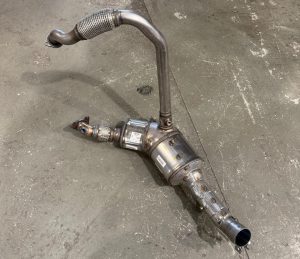
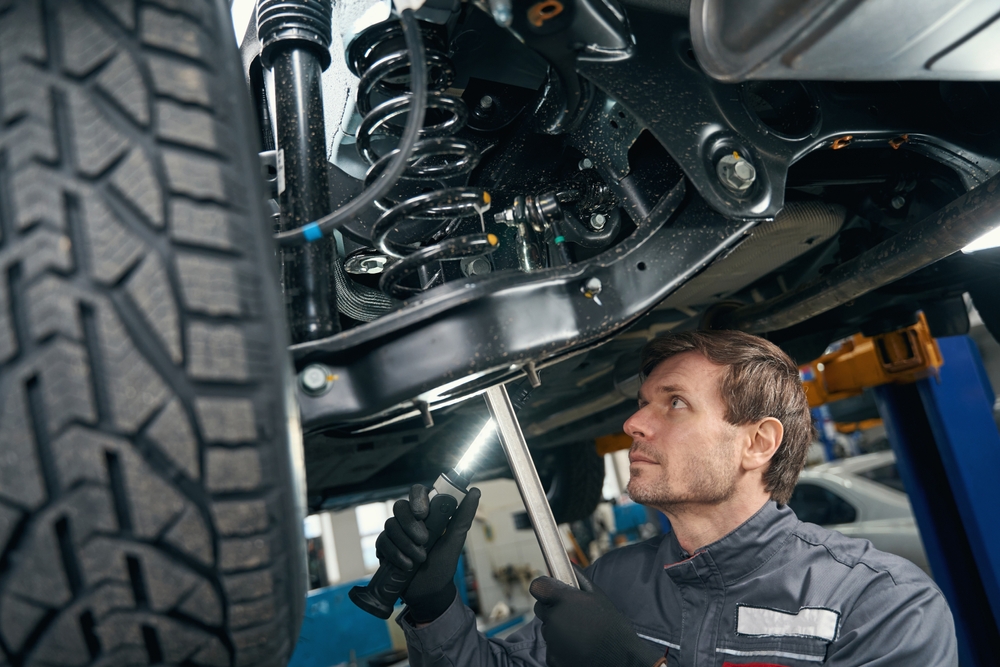
A removed DPF and exhaust assembly ready for inspection and servicing
If the engine is switched off before regeneration has finished, it is interrupted, and some soot may remain.
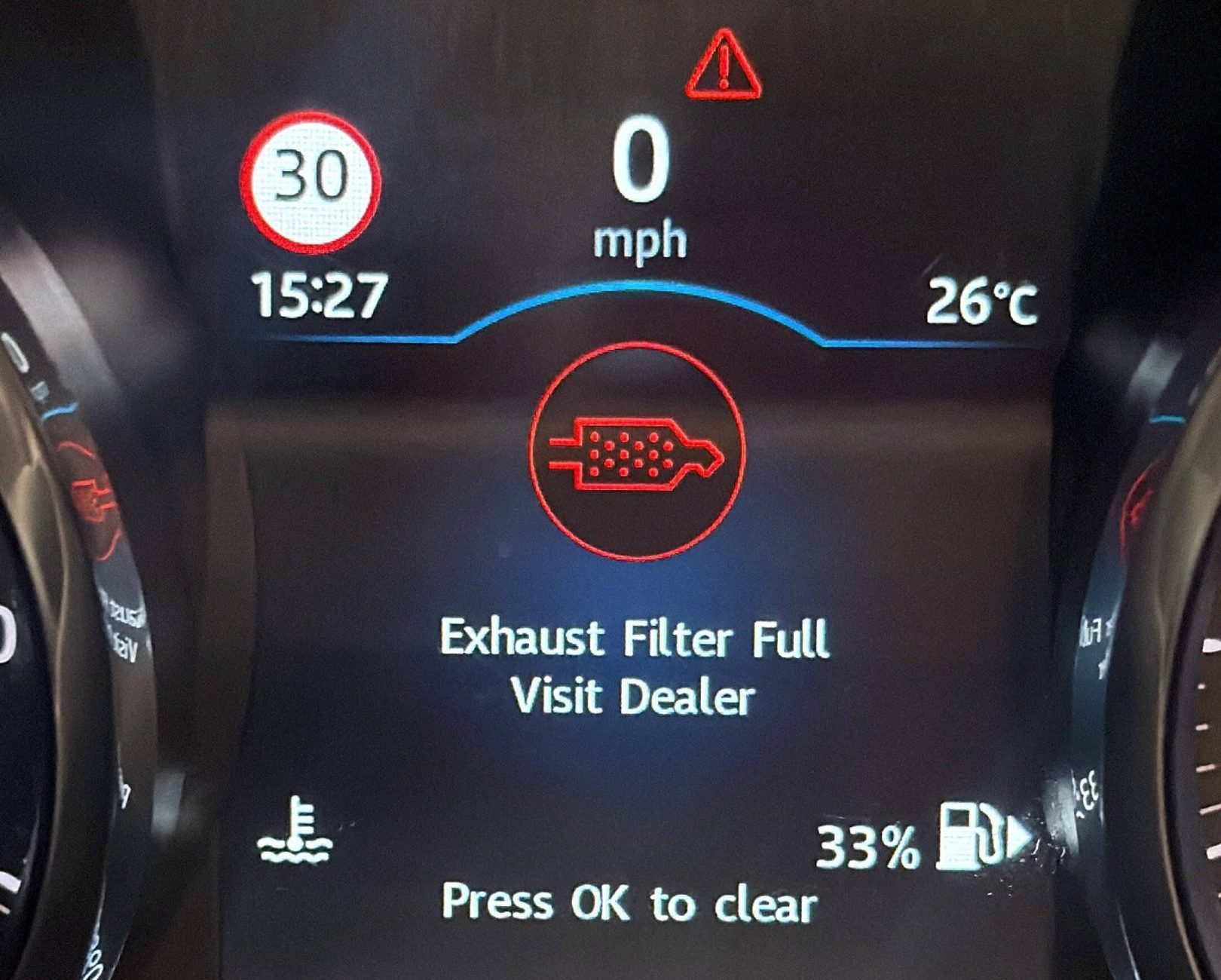
Repeat this pattern, and soot can continue to accumulate. A DPF warning light may eventually appear on your dashboard.
Now that the question “How does a DPF work?” has been answered, here’s the key takeaway: longer journeys give the system its best chance of completing the cleaning cycle and keeping your DPF clear.
How Short Journeys Affect Your DPF and Why Longer Drives Help
Understanding “why does my diesel car need long journeys” is one of the most important aspects of looking after your DPF.
The answer centres on the cleaning cycle. Short runs, school drop-offs, and errands around town can prevent the engine and exhaust from reaching the conditions needed for regeneration to complete. Without that threshold being met, soot accumulates inside the DPF.
Your vehicle’s DPF is designed to operate within specific exhaust temperature and operating conditions, far more likely to be achieved during longer, uninterrupted drives.
If brief outings persist, trapped soot can reach the point where warnings appear, and professional attention is needed.
Where you can, build a sustained motorway or dual-carriageway run into your week to give the system its best chance of completing the cleaning cycle.
If a DPF warning light has appeared on your dashboard, it’s worth having the component assessed. Our team at Quality Car Service, Milton Keynes, can advise on the next steps on 01908 376555.
Connected Systems That Influence Your DPF’s Performance
Your vehicle’s DPF sits within a wider emissions-control network, and faults in other components can have a direct effect. The EGR (Exhaust Gas Recirculation) valve is a good example.
Its purpose is to redirect a portion of exhaust gas back into the engine, helping reduce harmful emissions. Soot and oil vapour deposits build up inside the valve over time, eventually leaving it restricted or stuck.
So why does this matter for your DPF?
When the EGR malfunctions, more soot can reach the DPF, adding extra load and accelerating the rate at which it fills.
If your diesel was registered after September 2016, it’s likely to have an AdBlue system fitted too.
This fluid is injected into the exhaust, where it helps the SCR (Selective Catalytic Reduction) catalyst convert nitrogen oxides into nitrogen and water vapour. Your car monitors how much is left and warns you when it’s low.
On some vehicles, if AdBlue runs dry or a fault is flagged, the car can limit performance or stop the engine from starting. Because these warnings can look similar to DPF alerts, specialist diagnosis may involve examining the wider diesel emissions system.
If you’ve noticed unusual warnings or changes in how your diesel runs, get in touch with our team at Quality Car Service, Milton Keynes, for a thorough assessment.
How Your Car Alerts You to Potential DPF Problems
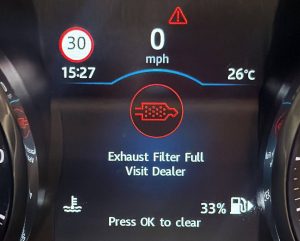
A DPF or exhaust-filter warning should be investigated rather than repeatedly ignored
Not every DPF issue announces itself the same way, but your car usually gives you clues worth paying attention to:
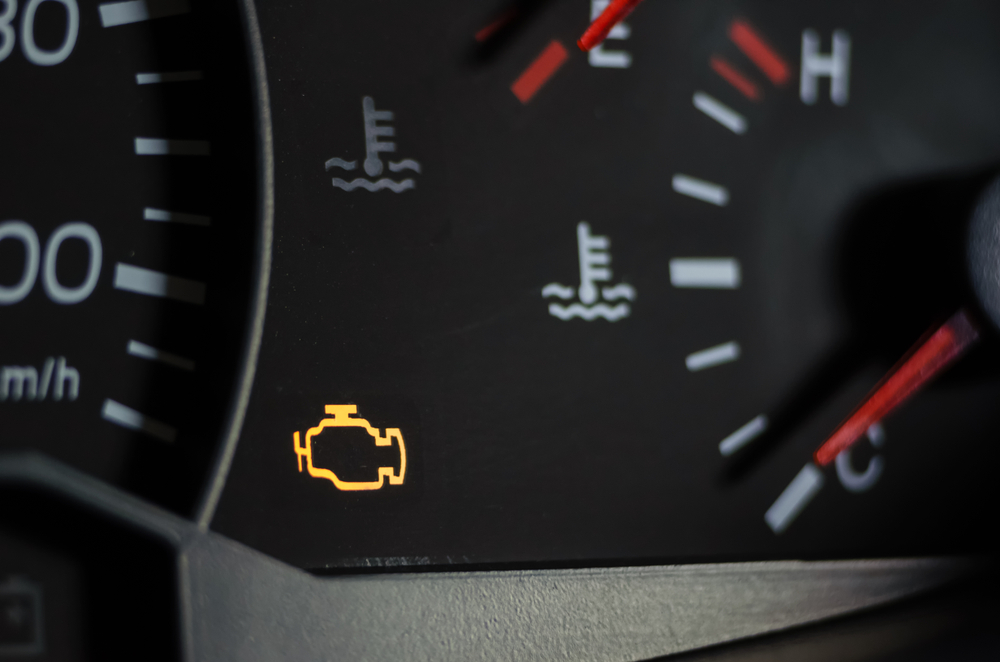
- DPF warning light on the dashboard: This can mean particulates have accumulated beyond an acceptable level, or that a fault has been detected in the DPF or connected systems.
- Reduced engine power or limp mode: Your car’s engine management system may limit performance when it detects a fault affecting the engine or the diesel emissions system.
- Higher fuel consumption than usual: When the cleaning cycle keeps failing to complete, the car uses more fuel with each attempt to burn away remaining trapped material.
- Unusual smell or visible smoke from the exhaust: A strong odour or plume from the back of the car can signal a fault affecting the engine or exhaust system and should be investigated.
Sometimes, these indicators can overlap, and not all point directly at the DPF. Most modern diesels use multiple systems working alongside the filter, and identifying the true source takes a specialist with the right experience.
If you’ve noticed any of the above, let our team at Quality Car Service, Milton Keynes, take a closer look at your DPF.
Habits That Support Your DPF’s Health
Looking after your car’s DPF doesn’t call for specialist knowledge. However, these three routines make a noticeable difference:
- Work longer drives into your week: Longer, uninterrupted trips give the engine and exhaust the sustained conditions the cleaning cycle requires to burn away trapped soot.
- Respond to warning lights without delay: A DPF warning light that lingers means the underlying cause is still present, and postponing investigation gives it room to worsen.
- Choose a specialist who looks beyond the DPF: A warning symbol on the dashboard might originate from a fault elsewhere in the diesel emissions system. Expert-level assessment covering the full chain leads to a lasting fix.
With the diesel particulate filter explained in practical terms, you’re better placed to spot potential issues before they develop further.
Why Choose Quality Car Service for DPF Assessment and Repair?
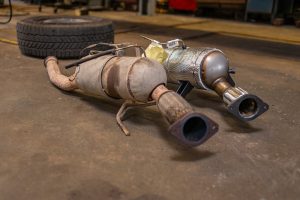
Depending on the fault and condition of the filter, DPF treatment may involve regeneration, cleaning or replacement
With the diesel particulate filter explained throughout this guide, knowing where to go next makes all the difference.
What appears to be a single DPF fault can sometimes turn out to be more complex. Symptoms can originate elsewhere in the diesel emissions system, so pinpointing the true source calls for a thorough, specialist-led assessment.
Manufacturer-level software and equipment back every diagnosis our technicians at Quality Car Service, Milton Keynes, carry out. Combined with hands-on experience across a wide range of diesel vehicles, this approach ensures the actual root cause is identified and addressed the first time around.
When the situation requires it, we perform DPF cleaning, repair, or replacement following the manufacturer’s recommended procedures.
Here is what you can expect from Quality Car Service:
- Manufacturer-level technology and equipment: The same calibre of tooling and technical data that main dealerships rely on to evaluate your DPF and wider emissions system.
- A courtesy vehicle while we work on yours: Your routine stays on track even when your car is with us.
- A 12-month guarantee on parts and labour: Every repair is backed by lasting peace of mind.
- A trusted local team serving Milton Keynes and the surrounding area: Specialist knowledge right on your doorstep.
Join the {{review-count}} customers who’ve rated us {{average-rating}} stars on Google for expertise, honest advice, and excellent value.
Call 01908 376555 and book your DPF assessment today.
Call Now 01908 376555Save on Servicing
Common Questions About Your DPF
What is a diesel particulate filter and why does my car have one?
A DPF is fitted to your diesel vehicle’s exhaust to capture particulate matter (soot) generated during combustion, preventing it from reaching the atmosphere. Most diesel cars sold in the UK since around 2009 have one as standard, and a DPF that has been removed or tampered with can result in an MOT failure.
So how does a DPF work? Through regeneration, a heat-driven self-cleaning cycle that burns away collected soot when operating conditions are met. Passive regeneration occurs naturally when exhaust temperatures stay elevated during sustained driving, while active regeneration is triggered by the engine management system when soot reaches a set level.
Why does my diesel car need long journeys to stay healthy?
Your DPF cleans itself by burning away trapped soot at high temperature. Short trips don’t provide the conditions needed for this to finish. Faults within the diesel emissions system can also prevent regeneration. A regular longer drive at a steady speed gives your car the chance to complete the cycle and keep the DPF clear.
How do I know if my DPF is blocked?
The most common sign is a DPF warning light on your dashboard. Other clues include loss of power, limp mode, rising fuel consumption, or unusual exhaust smoke. These signs don’t necessarily mean the DPF itself is at fault; other systems can produce the same symptoms. Our team at Quality Car Service, Milton Keynes, can investigate and advise.
Can a DPF be repaired, or does it need replacing?
It depends on the condition and what caused the issue. In many cases, a restricted DPF can be cleaned or the underlying fault repaired without replacement. If the component has suffered physical damage or soot levels exceed what cleaning can address, replacement may be needed. Our team at Quality Car Service, Milton Keynes, can assess yours and recommend the best approach.