How Car Brakes Work
Every time you step on the brake pedal, your car slows down exactly the way you’d expect. The response is smooth, the control is there, and the whole thing feels effortless.
What you don’t see is the hydraulic braking system working between your foot and the wheels.
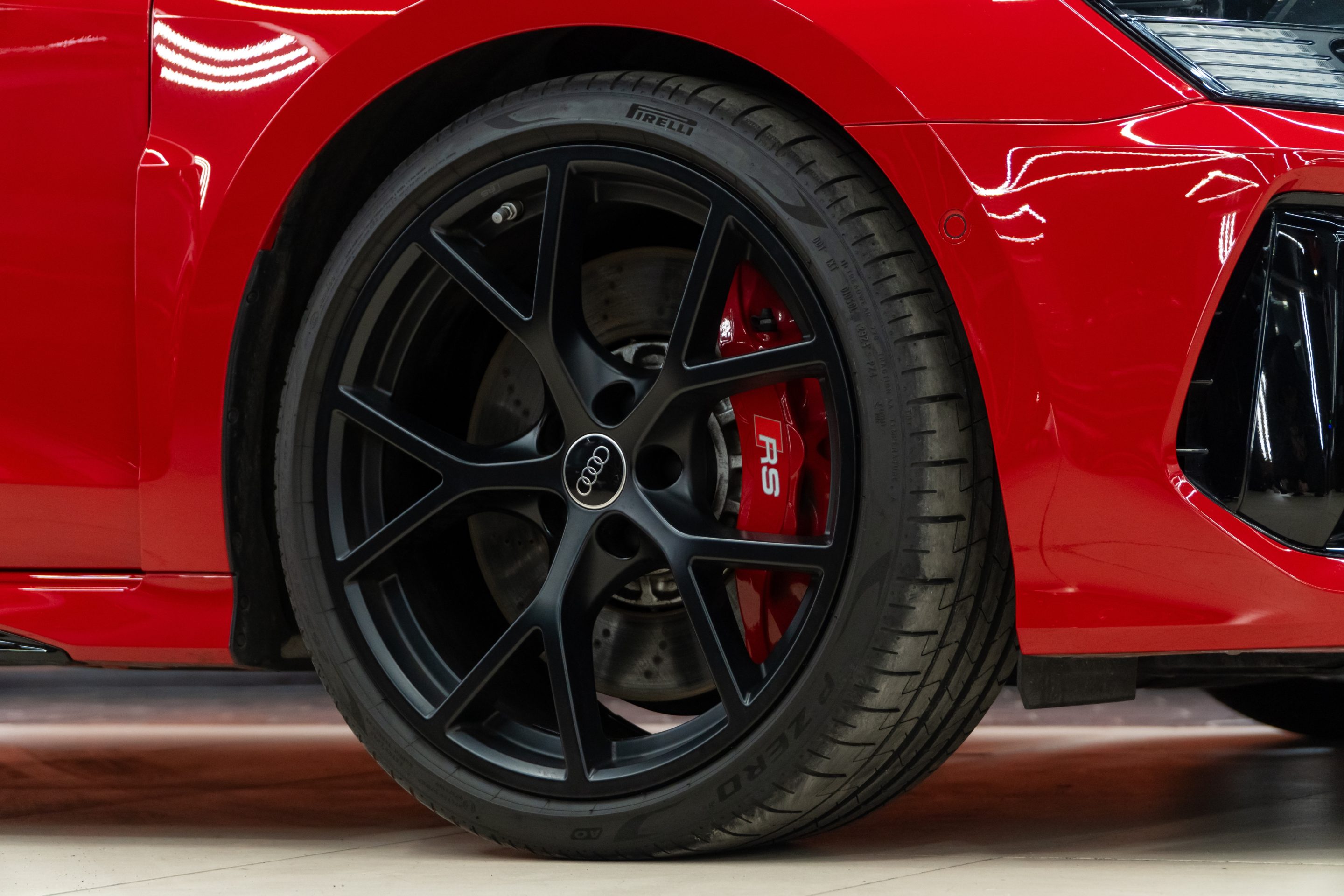
Disc brakes use callipers and brake pads to create the friction needed to slow the car
Pressurised fluid travelling through lines, callipers forcing brake pads against spinning discs, and friction converting the car’s motion into heat. That’s the process behind every controlled stop.
And every part of that process wears gradually. None of it happens suddenly, but those changes build up over time.
The brake pedal feels different, there’s a sound that wasn’t there a week ago, or a warning light appears on the dashboard without any obvious cause.
Modern hydraulic disc braking systems are highly engineered, but how they work is easier to grasp than many drivers assume. Step on the brake pedal, and a brake booster multiplies the force from your foot. The master cylinder turns that into hydraulic pressure, and brake fluid delivers it through brake lines to callipers at each wheel. The callipers push brake pads against spinning discs, and friction between pad and disc slows the wheel. Most modern cars have ABS fitted, helping prevent wheel lock-up under hard braking.
That entire sequence plays out in a fraction of a second.
This guide covers hydraulic disc braking systems, the type fitted to most modern passenger cars.
If you’ve ever asked, “How do disc brakes work?”, wondered, “How does ABS work?”, or wanted to know what a brake warning light means, this is your guide to how car brakes work and what each component contributes.
Getting to Know Your Braking System: Pedal to Wheel
The instant you push the brake pedal, your car’s braking system multiplies the force from your foot and distributes it to each wheel.
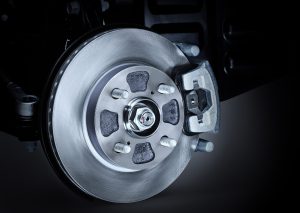
The calliper presses the brake pads against the spinning disc, creating the friction that slows the wheel
A hydraulic disc braking system makes this possible in most modern passenger cars. Here’s the chain of events that turns pedal pressure into braking force at the wheels:
- Brake pedal: Your foot presses down, pushing a rod toward the brake booster.
- Brake booster (servo): Sitting between the pedal and the master cylinder, it multiplies your foot’s effort so that braking doesn’t demand much physical force. Most cars use a vacuum-assisted booster, while some newer models rely on an electric one.
- Master cylinder: Internal pistons pressurise the brake fluid, converting the boosted force into hydraulic pressure.
- Brake fluid: A purpose-built hydraulic fluid that transmits pressure through the system with minimal compression.
- Brake lines and hoses: A combination of rigid pipes and flexible hoses that route pressurised fluid from the master cylinder out to each wheel.
- Brake callipers: Mounted over each brake disc, these housings contain pistons that are driven outward by the arriving hydraulic pressure.
- Brake pads: Often manufactured from composite friction materials, including ceramic, semi-metallic, or organic compounds. Seated inside the calliper, they press firmly against the spinning disc when pressure arrives.
- Brake discs: Most are cast-iron plates secured to each wheel hub. The pads press against them, generating the friction that slows the car down.
All of that takes place in the time your foot moves a few centimetres.
That’s the car braking system explained in practical terms, and it shows how car brakes work from the moment you press the pedal.
Apply more pressure to the brake pedal, and the hydraulic force increases, pushing the pads harder against the disc.
Lift your foot, and the pressure falls away. The pads draw back from the disc, and the wheels turn freely once more.
Brake Discs: What They Are, What They Do and How They Wear
If you’ve ever asked, “How do disc brakes work?”… the answer comes down to friction. Most brake discs are cast-iron plates, bolted to the wheel hub at each corner of the car. When you brake, the pads press against these discs. The friction that contact creates is what slows the wheel and, in turn, the vehicle.
Every braking event generates heat as well as friction, and both take their toll on the disc surface over time.
Drivers may begin to notice the effects as wear accumulates:
- Surface scoring. Visible grooves or lines across the disc, which can form from abrasive particles, corrosion building up on the surface, or uneven pad wear, changing the way the pad meets the disc.
- Uneven wear. Sections of the disc losing material at different rates, sometimes creating a pulsing feeling through the brake pedal when you slow down.
- Heat-related distortion. Sustained or repeated heavy braking can lead to distortion or uneven wear across the disc. This may show up as a judder felt through the brake pedal or the steering wheel.
Once a disc is heavily worn, braking consistency can suffer, and the pads may not make full contact with the surface. The rate of wear depends on your driving habits, road conditions, the amount of stop-start traffic you face, and the brake materials fitted to the car.
If you’ve been noticing a vibration or pulsing sensation when you brake, our technicians at Quality Car Service, Milton Keynes, can check your discs and let you know whether they need attention.
Brake Pads: What Wears Down and How You’ll Know
Every time you brake, the pads are doing the physical work of pressing against the disc to create friction.
They’re often manufactured from composite friction materials, including ceramic, semi-metallic, and organic compounds, chosen for their ability to generate a consistent stopping force. As you drive, the friction material sheds a little each time until the pads eventually need replacing.
Most modern cars come with at least one built-in system designed to alert you as pads wear low:
- Audible squealer strip: A small metal tab attached to the pad. Once the friction material wears down enough, this tab contacts the disc, producing a distinctive high-pitched metallic squeal.
- Electronic wear sensor: A sensor built into the pad that is activated once wear passes a set threshold, triggering a brake warning light on the dashboard.
Some vehicles rely solely on the audible squealer, while many premium models feature the electronic sensor too.
From behind the wheel, worn pads can make themselves known in several ways:
- A scraping or grinding sound when you brake, particularly at lower speeds.
- A change in how the brakes respond, or a feeling that the car takes longer to slow down.
- A brake warning light on the dashboard, though this can also flag other braking issues.
Wondering when to replace brake pads? It comes down to how much friction material is left.
Our technicians at Quality Car Service, Milton Keynes, can measure pad thickness and advise whether replacement is due now or whether there’s usable material remaining. Pads left beyond their limit can damage the disc surface, potentially leading to a larger, more expensive job further down the line.
Brake Fluid: How It Works and Why It Doesn’t Last Forever
Without brake fluid, there’s no way to transfer force from the master cylinder to the callipers. It’s the hydraulic medium that connects your foot on the brake pedal to the braking force at each wheel, and it does that job under considerable pressure every time you stop.
The braking system is largely sealed, but brake fluid gradually absorbs moisture from the air around it. Tiny amounts work their way in through seals, joints, and the flexible hoses that connect the rigid brake lines.
Why does that matter? As the fluid takes on more moisture, its boiling point falls.
Under heavy or sustained braking, if parts of the fluid reach that lower boiling point, vapour bubbles can form inside the hydraulic system. Vapour compresses far more easily than liquid, and when it does, the brake pedal can feel soft or spongy. That means less braking force reaching the wheels.
Over the longer term, moisture within the system can also encourage corrosion inside callipers, brake lines, and other metal parts.
That’s why manufacturers recommend changing brake fluid at set intervals.
How often varies by vehicle and driving conditions, so your owner’s manual or your garage can guide you. Keeping the fluid in good condition plays a direct role in how car brakes work under pressure.
Our team at Quality Car Service, Milton Keynes, can test your brake fluid and advise whether it’s time for a change.
ABS: What It Is and What to Expect When It Kicks In
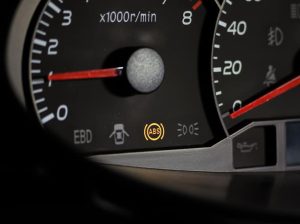
An ABS light that stays illuminated while driving can indicate a fault with the anti-lock braking system
If you’ve ever wondered, “How does ABS work?”, the name gives a clue. ABS stands for Anti-lock Braking System, and most modern passenger cars have it fitted as standard. Its role is to stop the wheels from locking up when you brake hard or in an emergency, so you can keep steering the car during those critical moments.
Why does that matter? On a low-traction surface, heavy braking without ABS can lock one or more wheels. Once a wheel locks, your ability to steer drops sharply. ABS exists to catch that before it happens.
Speed sensors mounted at each wheel feed data to the ABS controller. The moment a wheel starts losing traction under braking, the system intervenes in milliseconds:
- It spots that a wheel is slowing far more than the others and is close to locking.
- It releases a small amount of brake pressure on that wheel, just long enough for it to start spinning again.
- It then restores pressure and repeats the whole sequence many times per second.
From the driver’s seat, you’ll feel a rapid pulsing through the brake pedal and may hear a buzzing or clicking. That’s the system cycling through pressure adjustments, and it’s working exactly as intended.
Should the ABS warning light appear on your dashboard and stay lit during normal driving, that points to a fault within the system. Your standard brakes should still work, but the ABS safety layer may not be available. It’s worth having a technician look at it at the first opportunity.
Understanding Your Brake Warning Lights and What They’re Telling You
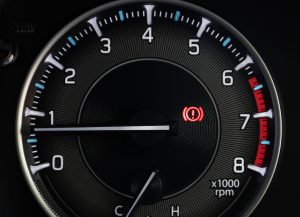
A brake warning light can indicate anything from an engaged parking brake to a fault that needs attention
Your dashboard can display several different brake-related warning lights, and each one can point to a different part of the braking system.
Here are the warnings you’re most likely to see:
- Brake pad wear warning: Vehicles with an electronic wear sensor trigger this light once the pads have worn beyond a set threshold. It doesn’t call for an emergency stop, but booking in as a priority is the right move.
- Handbrake or brake system warning: This one can appear for more than one reason. It may light up when the parking brake is applied, but it can also signal a system-level concern, such as low brake fluid or a sensor fault. If it stays on after you’ve fully released the parking brake, it’s worth having it investigated promptly.
- ABS warning light: When this stays lit during normal driving, the Anti-lock Braking System has picked up a fault. Your standard brakes should keep working, but the ABS protection layer may not be active. Have a technician look into it as soon as you’re able.
If you spot a brake warning light and you’re uncertain what’s behind it, drive cautiously, go easy on heavy braking where possible, and follow your manufacturer’s guidance or contact your garage.
Every brake warning light is worth taking seriously, and understanding how car brakes work makes it clearer why every warning matters.
Our technicians at Quality Car Service, Milton Keynes, can diagnose the cause and walk you through what needs to be done.
Brake Inspections: What They Cover and Why They Count
None of the brake wear described above happens overnight. Pads shed friction material journey by journey, brake fluid draws in moisture month by month, and disc surfaces absorb heat and stress every time you slow down.
That’s why a brake inspection, carried out as part of a full vehicle service, will typically include checks of pad thickness, disc condition, fluid quality, warning light operation, and the condition of brake lines and hoses.
With the car braking system explained section by section, the thread running through every component is clear: your brakes are one of your car’s most important safety systems. Looking after them protects you, your passengers, and everyone else sharing the road.
Understanding how car brakes work makes it clearer why every component deserves regular attention. If your brakes haven’t been inspected in a while, or if something feels different when you press the brake pedal, that’s all the reason you need to book them in.
Why Drivers Choose Quality Car Service, Milton Keynes for Brake Inspections, Servicing and Repairs
Your car’s braking system works hard to keep you safe, and when it needs attention, you want to know it’s being looked after by people who understand every part of it.
Whether you need to know when to replace brake pads or want your brake fluid assessed, having the experience to get it right is what counts.
At Quality Car Service, Milton Keynes, our expert technicians bring hands-on experience and dealer-level equipment to every brake inspection and repair. We follow manufacturer standards and make sure you understand what we’ve found before any work goes ahead.
When you choose Quality Car Service, you benefit from:
- A 12-month parts and labour guarantee on all brake work.
- A courtesy car, so your routine isn’t disrupted while your vehicle is with us.
- Experienced technicians with dealer-level equipment, working across a wide range of makes and models.
- Honest communication about what we find and what we recommend.
Join {{review-count}} Milton Keynes drivers who’ve rated us {{average-rating}} on Google for clear explanations and great value.
Whether it’s a noise you can’t explain, a warning light on the dashboard, or a brake pedal that feels different from what you’re used to, Quality Car Service, Milton Keynes, is here to help. Call us on 01908 376555 to arrange a brake inspection.
Call Now 01908 376555Save on Servicing
FAQ
How do car brakes work?
Most modern cars rely on a hydraulic system to generate braking force at each wheel. When you press the brake pedal, the braking-assist system amplifies the force before the master cylinder converts it into hydraulic pressure. Brake fluid carries that pressure through brake lines to the callipers at each wheel, where pistons push the brake pads against the spinning brake discs. The friction between the pad and disc is what slows the car. Most modern cars are also fitted with ABS, which helps prevent wheel lock-up under hard braking.
How do I know when to replace brake pads?
There are a few signs that your brake pads may need to be replaced. A high-pitched metallic squeal when you brake can mean the built-in squealer strip is making contact with the disc. You may also feel that braking doesn’t respond the way it used to. On vehicles fitted with electronic wear sensors, a brake warning light may appear on the dashboard. If any of those sound familiar, booking a brake assessment with Quality Car Service, Milton Keynes, is a sensible next step.
Why does my brake pedal feel soft or spongy?
A soft or spongy brake pedal can point to several causes. Brake fluid that has absorbed too much moisture over time is one; as its boiling point drops, vapour bubbles can form in the hydraulic system, reducing pedal firmness. Air in the brake lines, a hydraulic leak, or a fault with the master cylinder can also be behind it. Because any of these can reduce your car’s stopping effectiveness, it’s worth getting it checked without delay. Our team at Quality Car Service, Milton Keynes, can test the fluid and inspect the system.
What does it mean when the brake warning light comes on?
That depends on which brake warning light you’re seeing. A brake pad wear warning usually means at least one set of pads has worn close to its recommended replacement limit. A red brake system warning can indicate low brake fluid, a parking brake fault, or another braking system issue. If you’re not sure which light is showing or what’s triggered it, our technicians at Quality Car Service can identify the cause and let you know what needs to happen next.